
If you sell garages, you already know this call. A buyer holds up their phone to a photo of someone else’s build, wood-look cladding, a double door, and says “something like this, but bigger, maybe a side door.” You write down what you can, guess at the rest, and promise a price by Friday.
By Friday, the buyer has forgotten which cladding colour was in the photo. So have you. That gap, a photo of the wrong garage standing in for a real spec, is what a 3D garage configurator closes.
The 3 jobs a real garage configurator does#
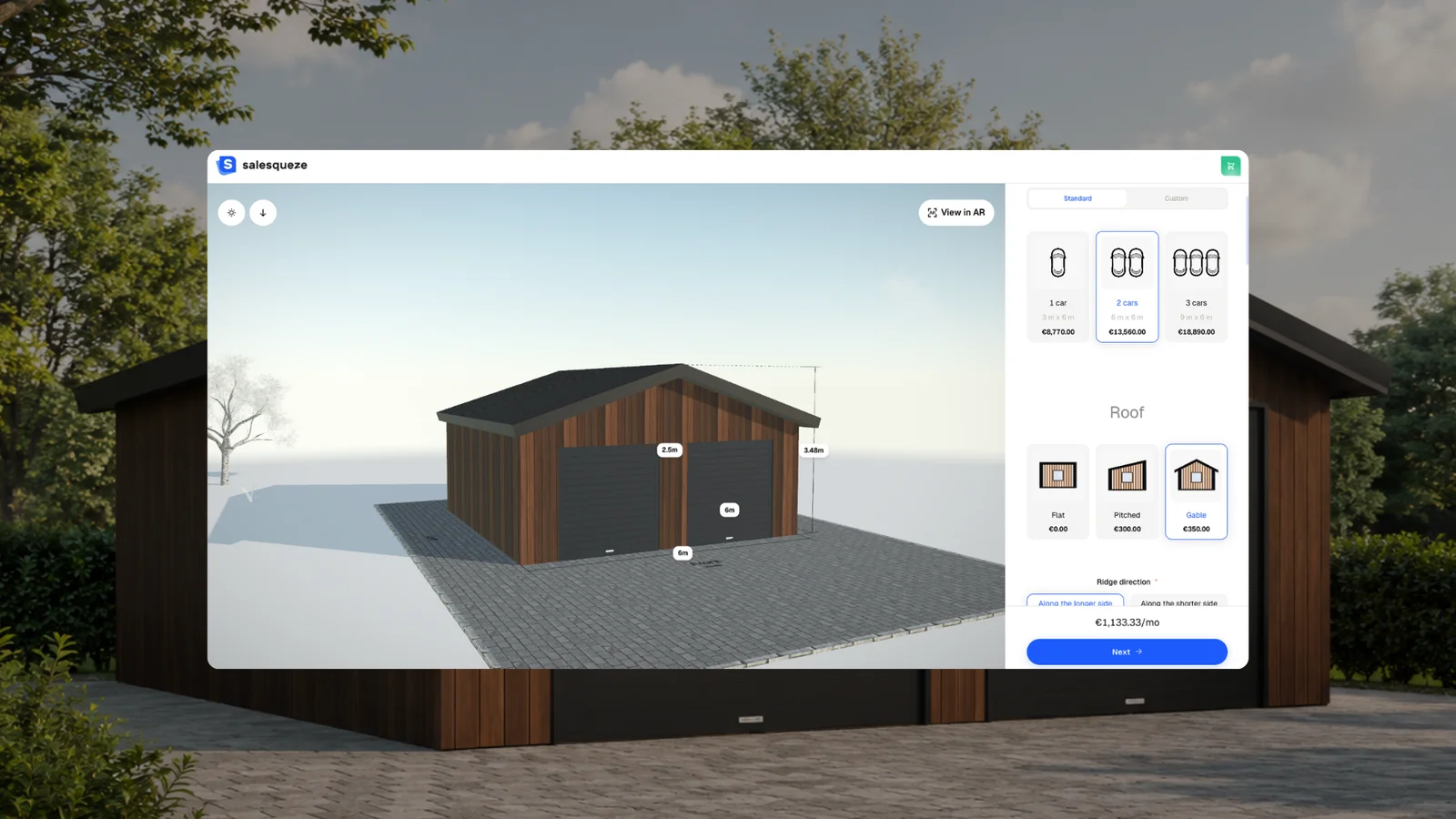
Visualize. The buyer picks size, material, cladding, door style, and windows, and sees it rendered on screen, sometimes against a photo of their own driveway. This is the part every drawing tool gets right, and the part buyers notice first.
Quote. The same design turns into an interactive quote: a personalized landing page built around the exact garage the buyer just configured, showing the price, financing, install timeline, warranty, and the next step.
Qualify. The system watches what the buyer actually did. Did they finish the design or abandon it halfway. Did they open the quote again the next morning. Those signals sort a buyer who spent real time designing from someone who bounced through in ten seconds, automatically.
Three jobs, one system. A tool that only draws the garage is doing a third of the job a garage seller actually needs.
Two garage configurators, timber and steel#
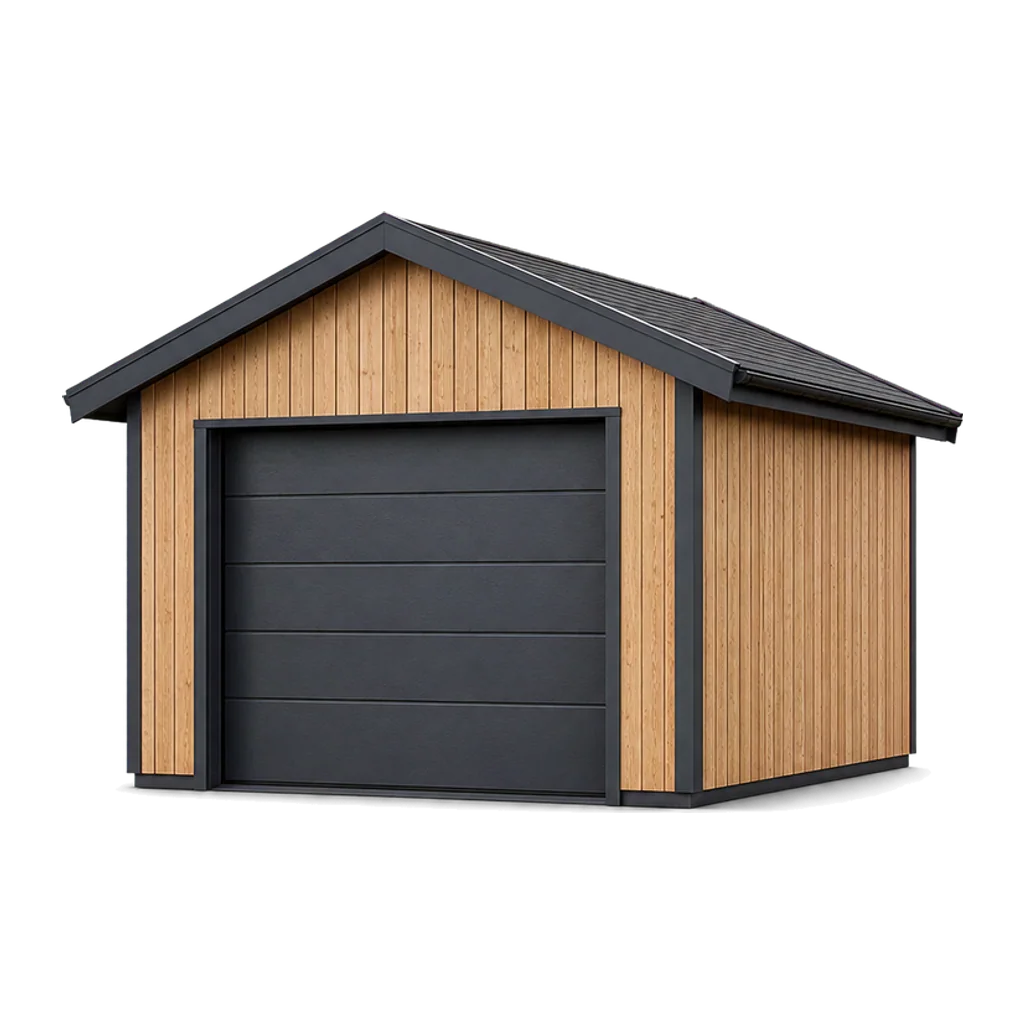
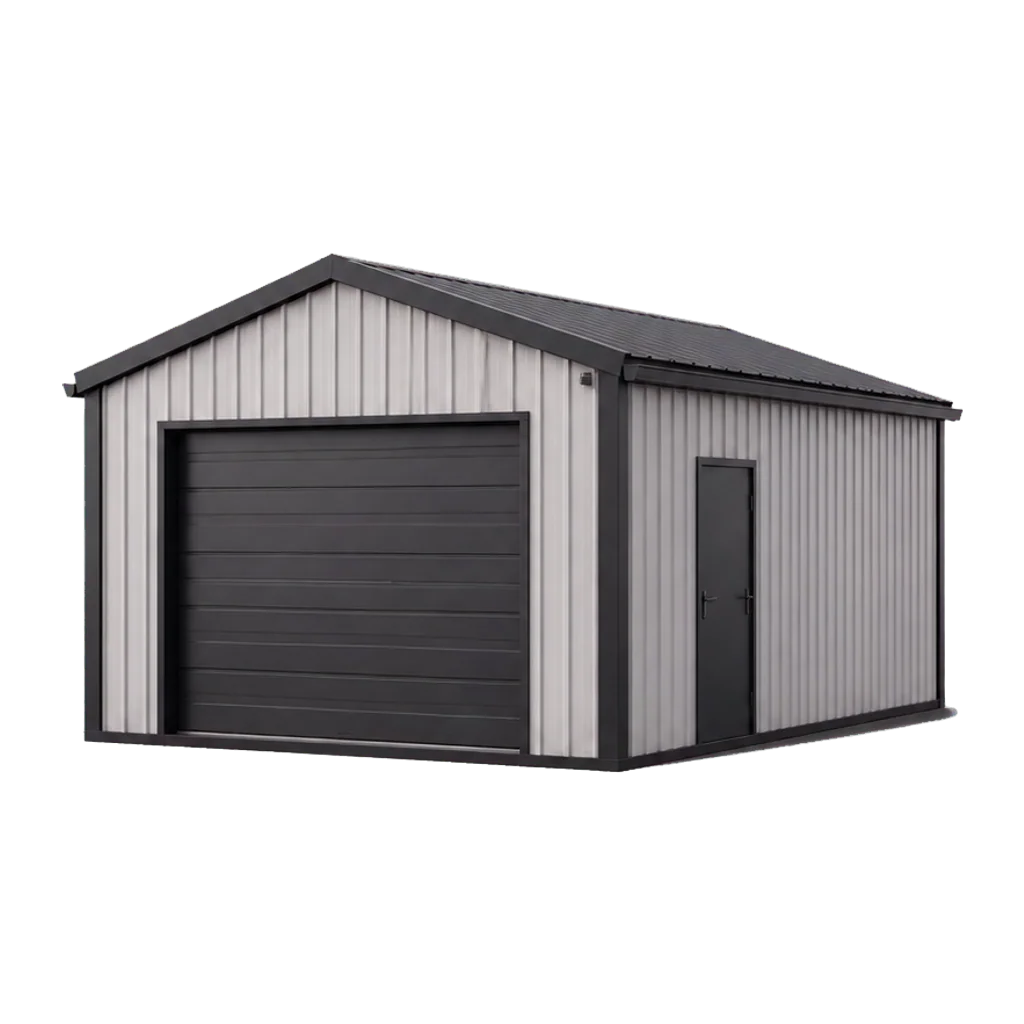
Two builds cover most garage catalogues. Open the timber garage configurator for a wood-frame build with cladding, window, and door choices. Open the steel garage configurator for a steel-frame build with a lower-maintenance look. Both end the same way: a real price on the buyer’s exact design.
Where a photo or a phone call falls short#
This is the part that costs you the most time, because it looks fine right up until the quote needs a revision.
A photo shows a garage, not a size, a cladding code, or a door width. Whatever price you send is a guess dressed up as a quote. There are no configuration rules either, which door widths work with which cladding, which window placements need extra framing, and a phone call cannot enforce rules a configurator applies automatically. And there is no read on how serious the buyer is: a photo text and a “how much for something like this” message look the same whether it’s a buyer three weeks from signing or someone collecting five quotes.
The signs are easy to spot. Buyers keep sending photos of someone else’s garage instead of a real spec. Every quote needs a revision call, which usually means the first one was built on a guess. Two sellers quote the same request two different ways, and the buyer notices when they compare.
A configurator flips all three: the buyer sets size, cladding, door, and windows directly, gets a price against your own rules, and a finished design reads as a real signal of intent, ending in an interactive quote both sides can act on.
A photo request is still fine in two cases. If the garage is a true one-off custom build starting from a structural engineer’s drawing, there’s nothing yet to encode into a configurator. And if you have no web traffic to convert, getting seen comes first. Either way, the catalog has to exist on paper before it can be automated: sizes, cladding costs, door options, and install rates written down.
The line to take home#
A photo of someone else’s garage was never a spec. It was a placeholder for the conversation you had to have anyway: cladding, size, door count, and a price that matched all three. A 3D garage configurator skips the placeholder. The buyer designs the exact garage they want, in timber or in steel, gets an interactive quote instead of a PDF, and you get a lead that has already told you how serious they are.
If you want to see what that changed for other sellers, the customer stories hold the numbers.
People also ask.
What is a 3D garage configurator?
A whole sales system on your website. The buyer picks size, door style, cladding, windows, and roof, watches it render, and gets an interactive quote built around their exact design instead of a flat PDF. It replaces a phone call built around a photo of someone else's garage.
What is an interactive garage quote?
A personalized landing page built around the exact garage a buyer just configured. It shows the price, answers what comes next, financing, install timeline, warranty, and pushes them to the next step: book a measure, talk to a seller, put down a deposit.
What is the difference between the timber and steel garage configurator?
Same system, different build. Timber covers a wood-frame garage with its cladding, window, and door choices. Steel covers a lower-maintenance, more industrial build. Both let the buyer design the exact structure and get an interactive quote.
Can a garage configurator price an attached garage as well as a detached one?
Yes, as long as the option tree covers both. Attached garages usually drop the roof-style choice since it follows the house, but keep cladding, door, window, and foundation options. Detached garages keep the full tree, roof included.
How fast can a garage configurator go live?
A premade configurator built around a known garage catalogue can go live in 7 days.