
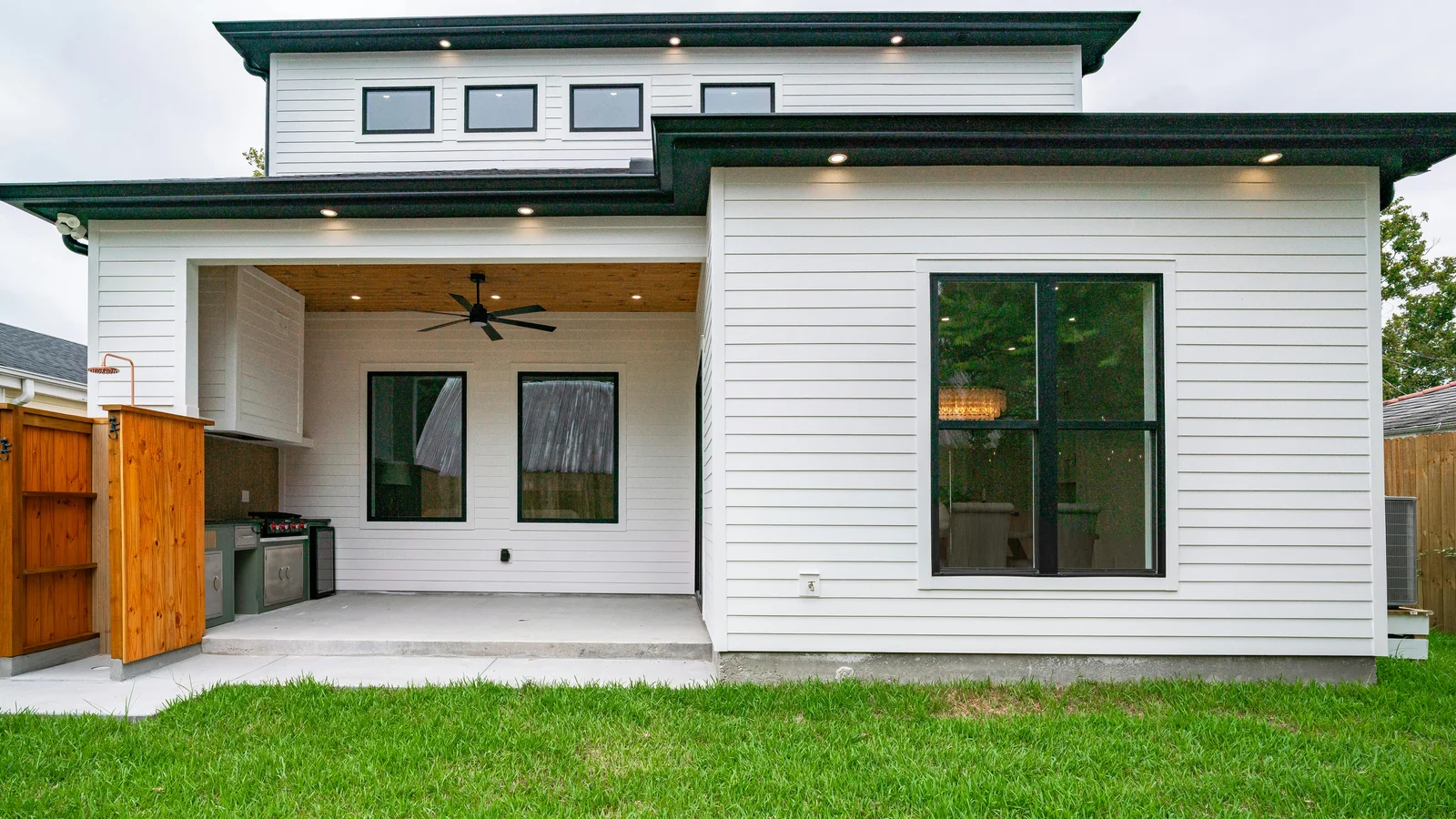
I spend most of my week inside the 3D models behind outdoor living configurators. Pergola slats moving as a buyer drags an angle. Veranda glazing rebuilding when a door swaps for a fixed pane. Garden room cladding redrawing when the timber colour changes. Carport posts adjusting span for a van. Fence panels repeating along a frontage the buyer typed seconds earlier.
The categories that respond best to visual selling are rarely the ones that look prettiest on a brochure. The boring, structural ones, the ones that used to take a salesperson two evenings to spec by hand, are where a configured 3D quote earns its keep on day one.
Below are the five where that pattern is strongest, and the structural reason each closes better when the buyer builds it themselves.
1. Pergolas#
Pergolas are the textbook case. Not because they look impressive, though they do. Because the buyer is choosing between visual outcomes, not functional specs.
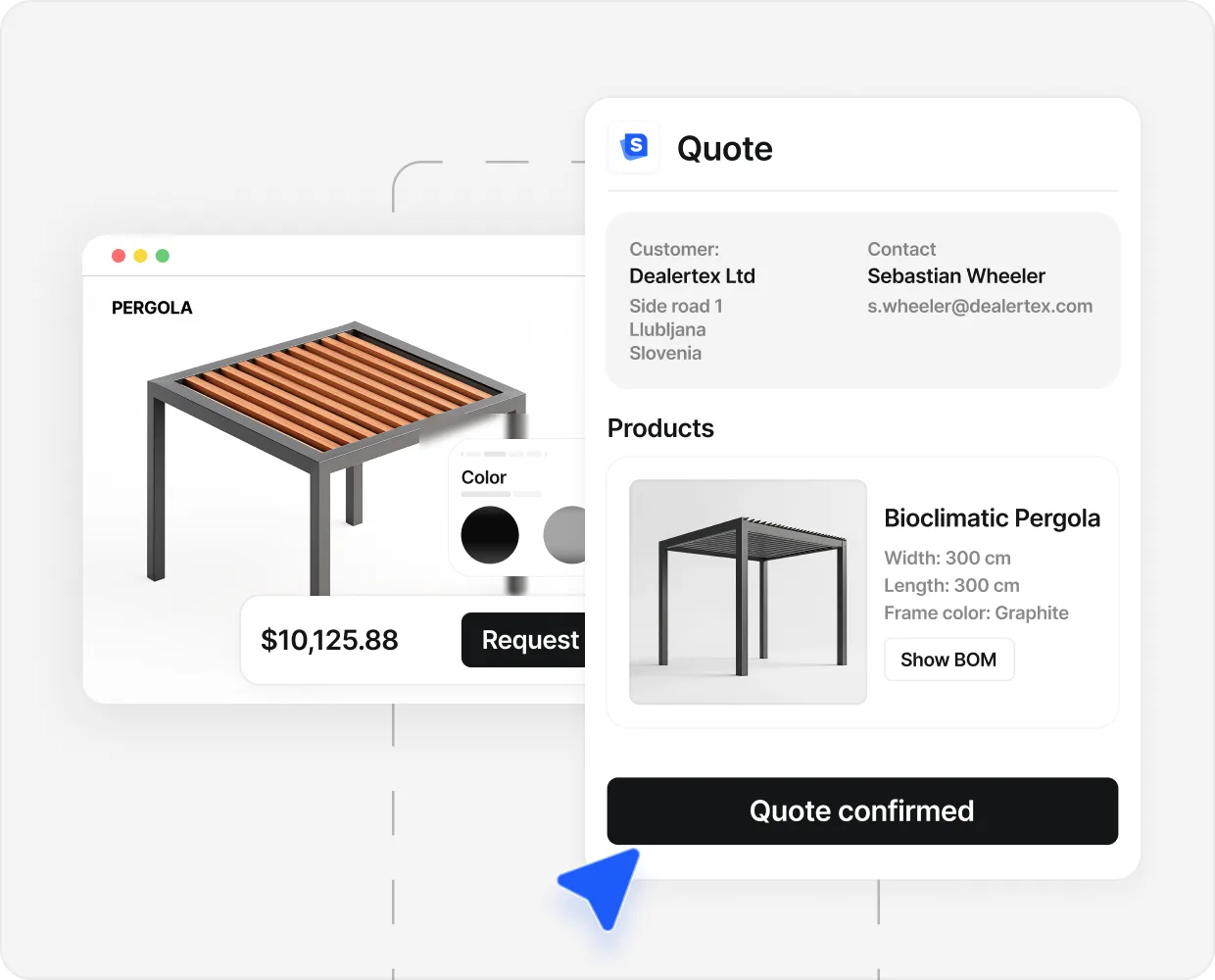
Ask a pergola buyer what they want and they say “something that works for the patio.” Show them a renderer that toggles anthracite against oak, louvered against fixed, and they spend twelve minutes inside it. The functional decision lands by minute three. The rest is aesthetic, and aesthetic is what a printed page cannot resolve.
The geometry helps too. Change the width, the post count and beam span recompute. What is hard is the rule library underneath: a louvered roof at 4.5 metres needs reinforcement, a screen colour is only allowed with certain frames. That is the category knowledge a real pergola configurator carries on day one.
By Monday morning, 40 percent of our inquiries already came in as configured 3D quotes. The first conversation was different from day one.
The proof point sits in the Caribbean Blinds case study, where the configurator lifted leads to 508 in 90 days. The pergola configurator guide breaks down how the renderer works, and /configurators/pergola/ lists the live ones running today.
2. Verandas and sunrooms#
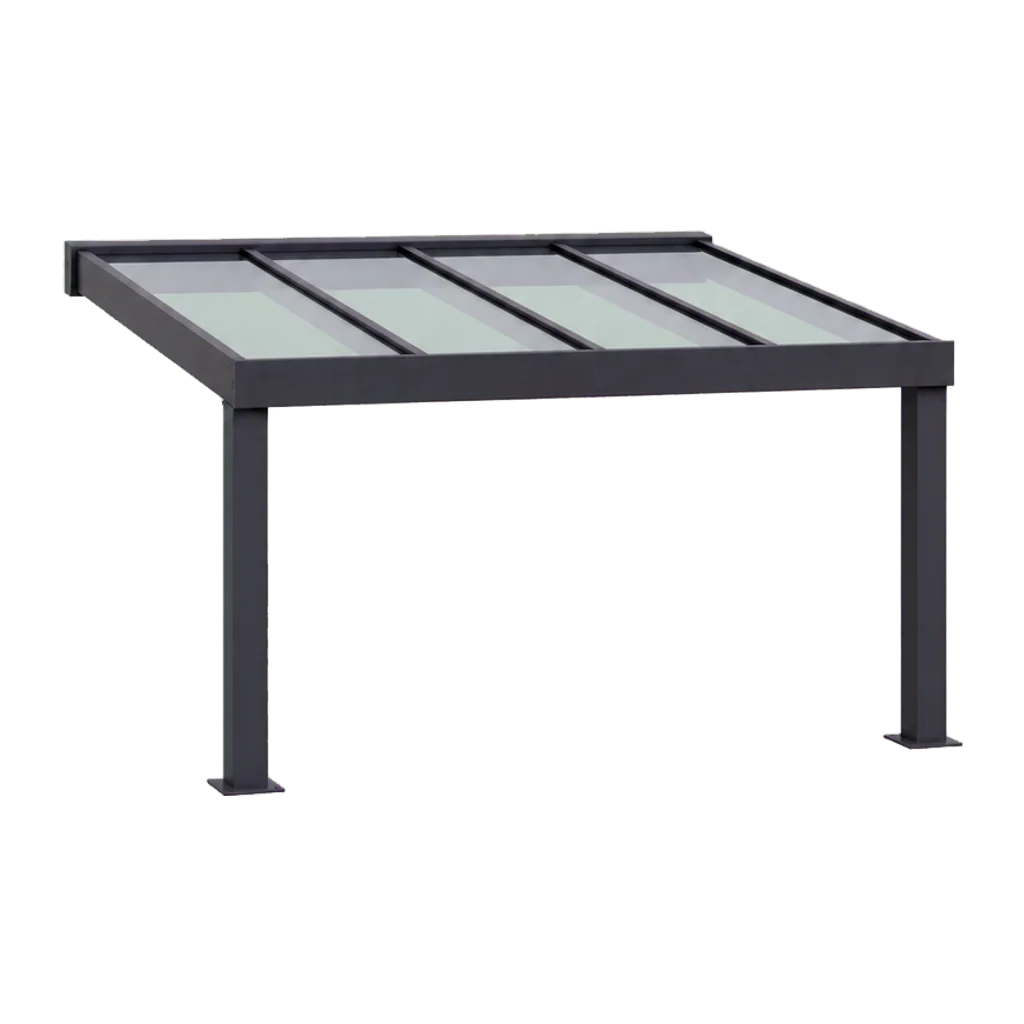
The buyer’s question here is spatial, not visual. Will it sit flush against the wall. Will the roof line clear the upstairs windows. A photo of a similar veranda on a similar house doesn’t answer that. A 3D model on a clean plot, built to the buyer’s stated dimensions, answers it in thirty seconds.
The variables also stack up faster: roof pitch, glazing, door system, side infill, wall-mounted or freestanding, optional heating. A pergola configurator has roughly twelve decisions. A veranda has closer to twenty-five, too many for a paper spec sheet but manageable across a guided 3D model.
Veranda buyers spend longer in the model than pergola buyers and configure further down the option tree, which matches the underlying question: “is this an extension of my house,” not “is this a garden feature.”
3. Garden rooms#
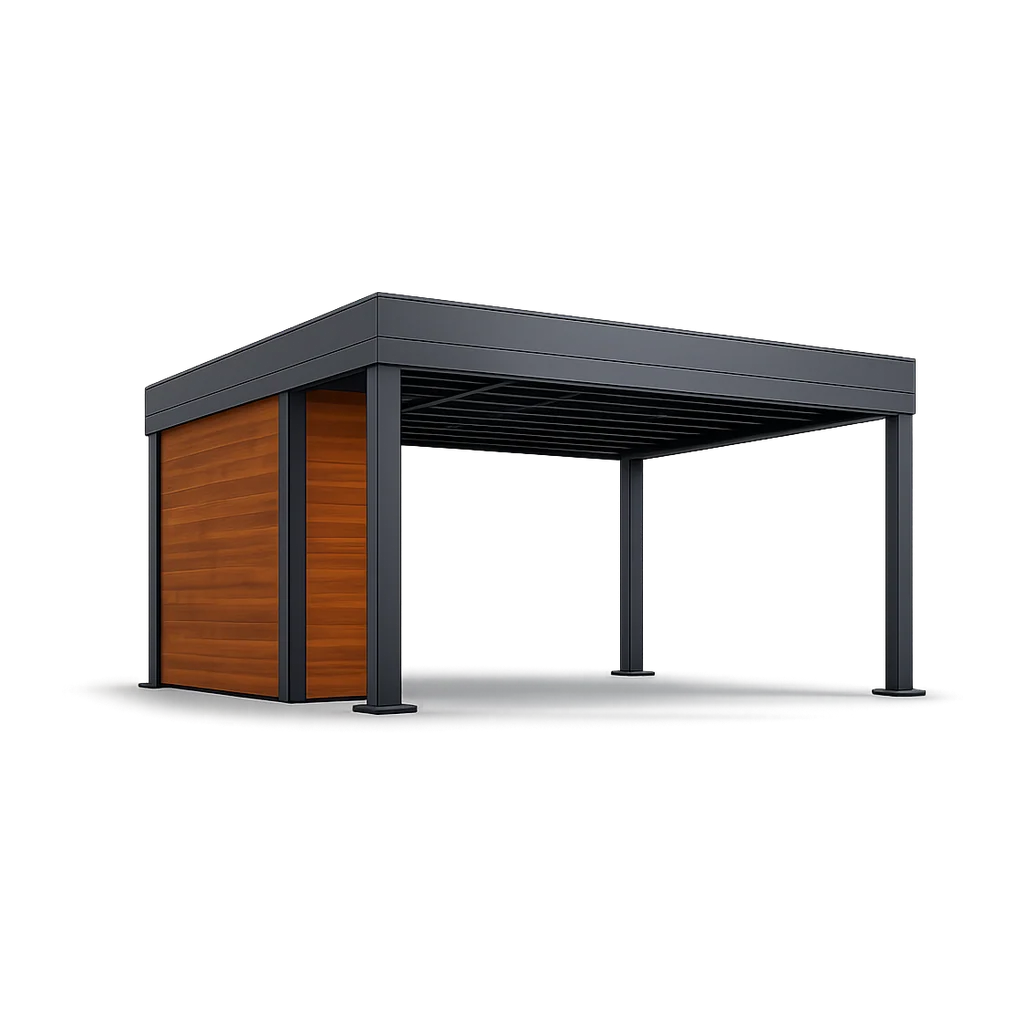
A garden room is the garden, for the next twenty years. It is a small building with insulation, electrics, a floor, and a door, priced accordingly. Buyers do not impulse-buy. They open the configurator, exit, return two weeks later, configure again, and only then ask for a call.
That returning consideration window is what the configurator has to support: saved configurations, a PDF that reads like a building document, a specific price rather than a “starting from.” The rules have to encode what a garden room really is: electrics tied to door positions, insulation tied to wall thickness.
The Spolding and Sons case study shows the pattern: £168K of new sales in twelve weeks, 475 entries into the configurator, 167 designed rooms, a 35 percent lead-to-inquiry conversion. The most important detail in the model isn’t the building. It’s the ground beneath it. A room floating on a perfect lawn looks fake; the same room on a paving slab, in the buyer’s chosen timber, looks real.
4. Carports#
Carports are where the configurator stops being aesthetic and starts being structural. A carport has one job: fit a vehicle, or two, with enough clearance to open both doors without scraping a post. The buyer needs the model to confirm the structure will physically clear what they typed in.
A pergola renderer can be a little generous with proportions and the buyer forgives it. A carport renderer cannot. If the model shows clearance for a Transit van and the delivered structure doesn’t have it, the install crew has a Monday they will remember all year. Beam heights, ridge clearances, and post placement have to be encoded against the real product, not a stylised approximation.
Armat ran +40 percent revenue in three months on carports with no new hires, because the spec work moved to the buyer and the team only quoted configurations that came in fully built.
5. Fences#
Fences look like the odd one out, and end up being one of the strongest. The geometry is repetitive: one panel, copied along a line, no spatial drama, no twenty-five decisions. The buyer types a length, picks a style and colour, and the configurator builds it.
The buyer is solving for scale, not feature. Fence buyers want to see what 42 metres of one panel style looks like along their actual frontage before spending €4,000 to €9,000. A brochure shows one panel and asks them to multiply; that’s where they freeze. A 3D renderer that lays out the run, in the right colour, against their plot, does the multiplication for them.
Impol moved from 50 fence inquiries a year to 700 once the configurator went live, a 14x increase from a category nobody thought needed a 3D model. The technical work is mostly about not breaking: rendering 100 panels smoothly on a phone over 4G is harder than rendering one complex pergola.
The pattern across all five#
Five categories, five reasons the configurator earns its keep, one shared pattern: a ticket above €5,000, a one-time purchase, twelve to forty configurable variables, and a buyer who has never owned one before.
The configurator doesn’t invent demand. It moves the buyer further down the funnel before they ever speak to a seller. The price is known, the spec is locked, the visual is resolved. The first conversation starts where the third or fourth used to.
On the seller side, that shows up as less weekend quoting and a close rate that drifts from the category average of 5-8 percent toward the 10-20 percent we see across sellers running configured funnels.
The /configurators/ gallery has working examples for each product line. The pattern repeats.
People also ask.
Why do outdoor living products sell better when buyers can configure them in 3D?
Buyers cannot try the product on or drive it home. They are committing to a structure that sits in their garden for fifteen years and costs €5,000 to €40,000. Seeing it in 3D, in their size and colour, removes the part of the decision a brochure cannot resolve.
Which outdoor living categories work best with a 3D configurator?
Pergolas, verandas and sunrooms, garden rooms, carports, and fences. They share three traits: high ticket size, a manageable set of configurable variables, and a buyer who has never owned one before.
Do all five categories need the same configurator?
The renderer is the same. The rule library is not. A pergola configurator knows post heights and roof spans. A garden room knows insulation and electrics. A carport models vehicle clearance. A fence repeats one panel a hundred times without breaking frame rate.
What changes for the seller when the buyer configures their own product?
The Monday inbox stops being contact-form lines saying 'interested, please call' and becomes priced PDFs with the spec already locked in. The first conversation starts with a real configuration, not a discovery call.
Do fences really belong on this list?
Yes. Impol went from 50 fence inquiries a year to 700 once buyers could lay out their run, pick the panel style, see it rendered along their frontage, and get a price. Simple geometry, real payoff.