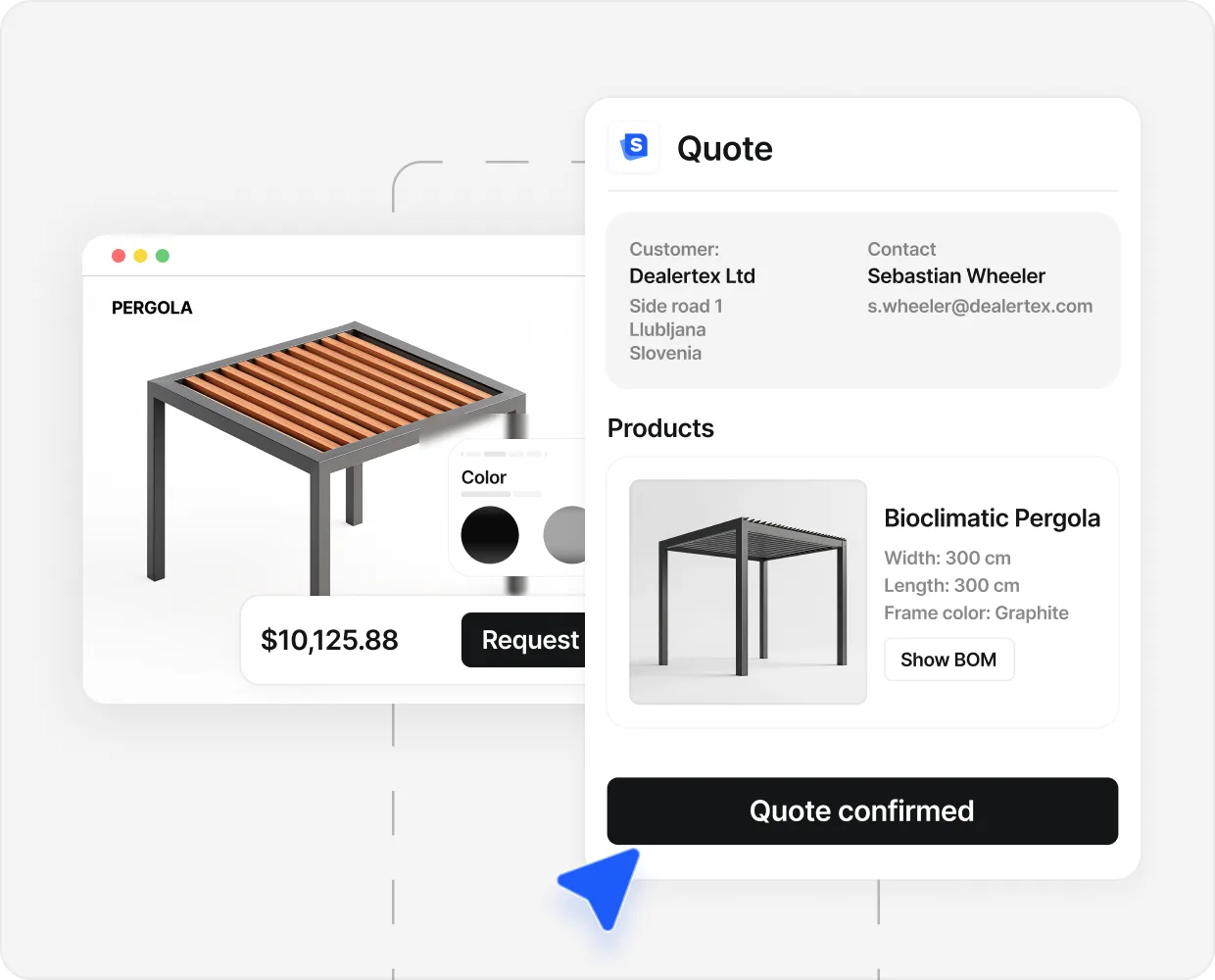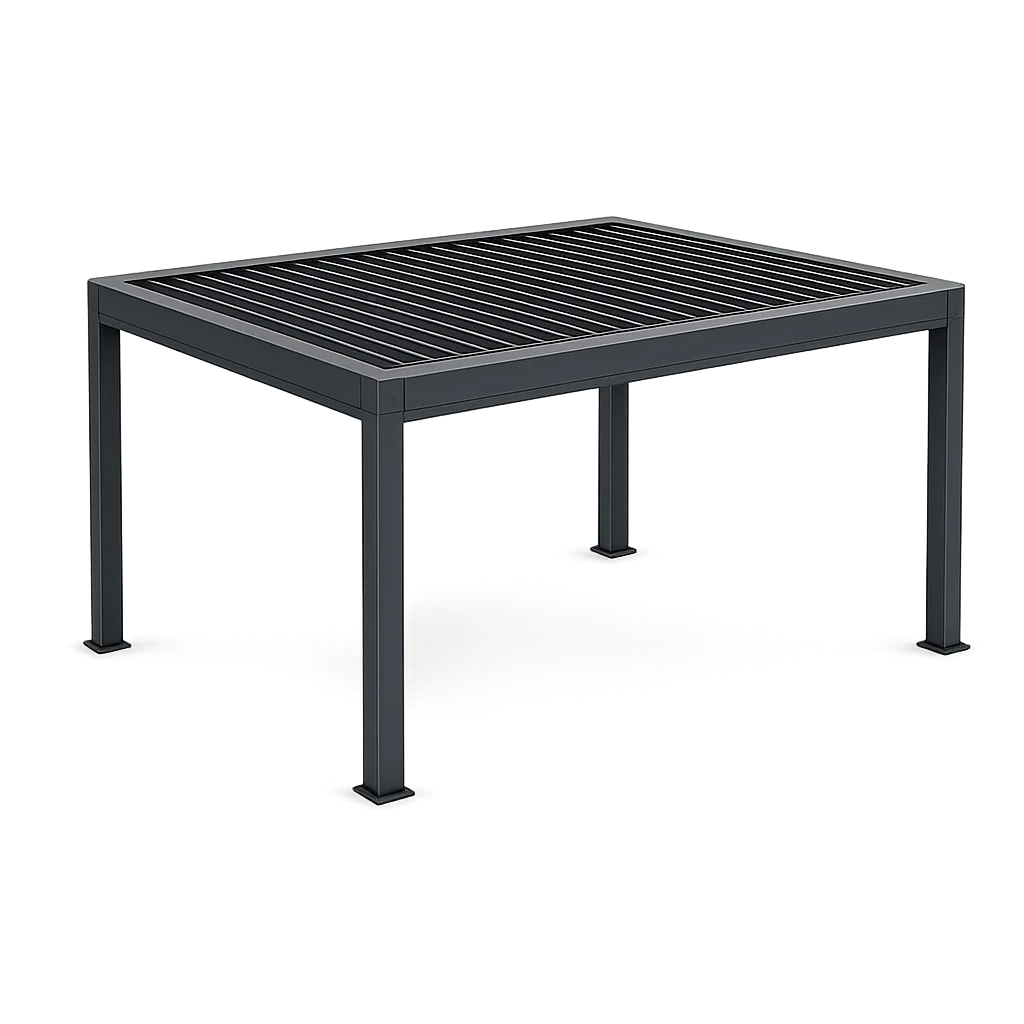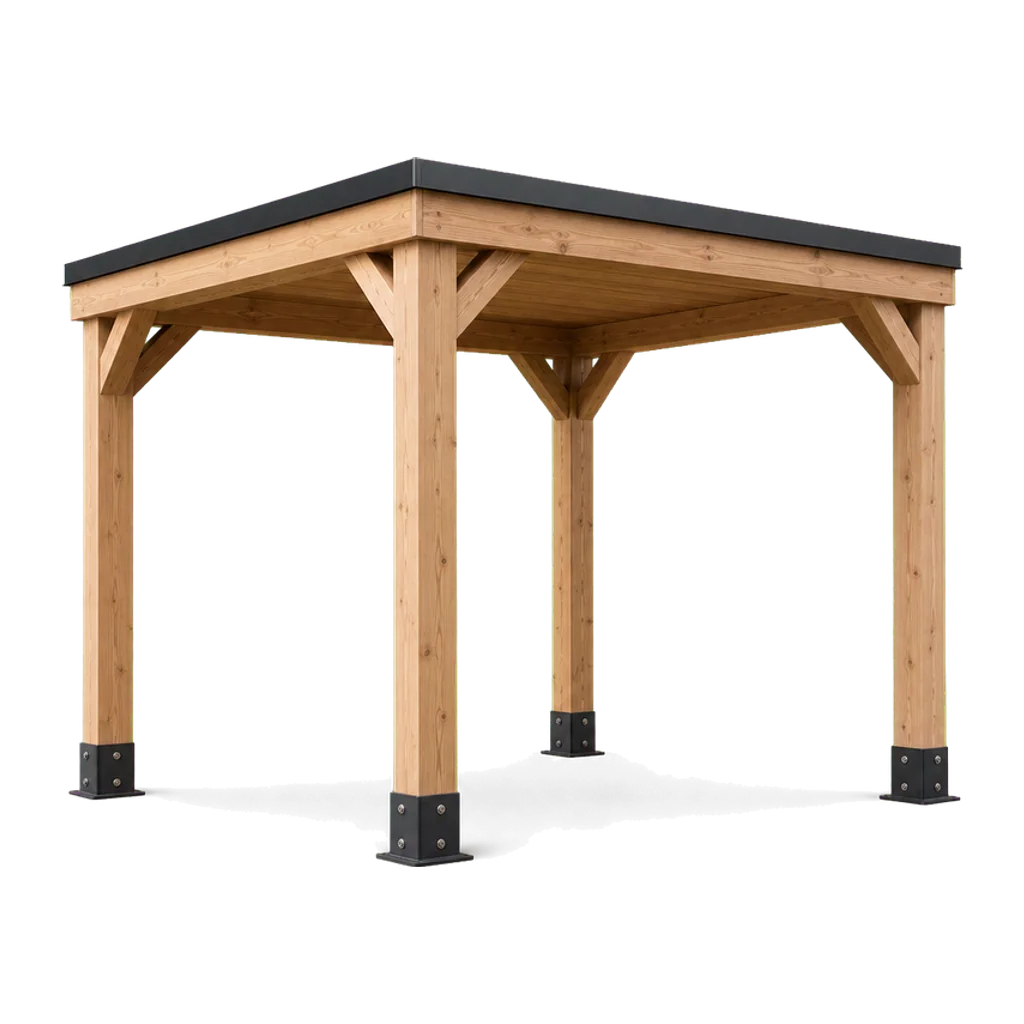

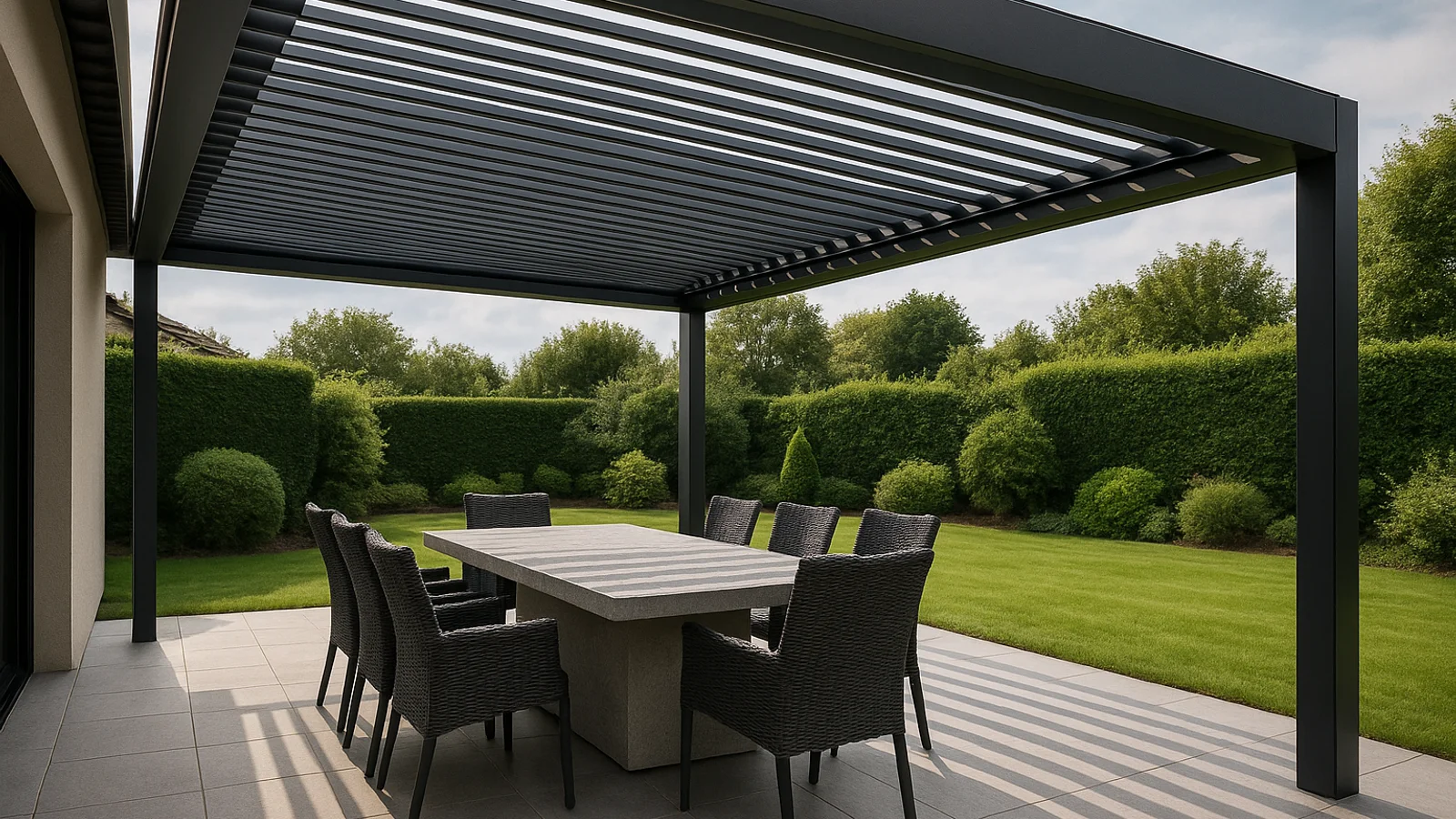
A pergola configurator is a tool on your website that lets a buyer design a pergola in 3D, see it rendered against their own garden photo, and receive a priced PDF before they pick up the phone. The buyer does the spec work. The seller closes the deal.
It replaces the part of the week most pergola sellers do not talk about. The call asking what the buyer wants. The second call where they change it. The drive out to measure. The Sunday evening at the kitchen table with a spreadsheet and a printer. The email that goes out three days later, into silence. By the time you meet the buyer, someone faster has often already quoted them.
By Monday morning, 40 percent of our inquiries already came in as configured 3D quotes. The first conversation was different from day one.
Pergolas suit this better than almost any outdoor product. The variable list is short enough for a phone screen (size, roof type, posts, finish, screens, lighting) and long enough that no photo gallery can show every combination. For the category-level argument across other products, see what a 3D product configurator does.
What a pergola configurator does#
Four blocks. Skip one and the stack stops earning its keep.
The 3D model. Parametric, not a single rendered scene. Change the width and the post count and beam span rebuild. Switch the roof from louvred to retractable fabric and the shading redraws. Built on WebGL, mature and stable, running in the browser with no plugin. A pergola that stutters reads as cheap no matter how expensive the actual product.
The configuration rules. What the buyer never sees, but the absence of which is why people specify the wrong thing. Which roof works with which post height, which colour is allowed on which finish, which accessory is incompatible with which beam. A real pergola configurator already knows what a louvred roof is at 4.5 metres. A generic 3D vendor asks you to teach it. That work is the project.
The pricing engine. A real number, in the buyer’s currency, from your real cost rules and installation modifiers by region. Not a “starting from” placeholder. This is where cheap configurators quietly hand the work back to your sales rep.
The PDF and the CRM handoff. A designed PDF that looks like your brochure, lands in the buyer’s inbox, and shows up in your CRM with the spec attached. Two days later, when a slower competitor sends a handwritten quote, your buyer already has your logo on their desktop.

What it changes about your week#
Before: Monday opens with twenty contact-form lines. “Interested in your pergolas, please call.” Half are price-shoppers, two are serious, and you cannot tell which. The morning goes to voicemails and envelope-back sizes. By Wednesday three quotes are out. By the following Monday, two buyers have signed with whoever quoted in 24 hours.
After: Monday opens with twelve configured PDFs, each showing the size, posts, roof, finish, and price the buyer built. The CRM shows who spent 12 minutes swapping the roof and submitted, and who bounced after picking a size. You call the first set and let the second sit.
- 508 Leads in 90 days Caribbean Blinds (UK pergolas); 40 percent of inquiries arriving via the 3D configurator.
- 30 Pergola sales in 90 days Nordin (Lithuania), starting from zero online presence; 574 leads through the configurator.
- 331 Quotes generated YourPergola (Hungary, louvred pergolas); 166 hours saved over four months.
- 10× Close rate vs industry Industry pergola close rate sits at 5 to 8 percent. Sellers running a configured funnel commonly run 10 to 20 percent.
Named numbers and full stories live in the case studies.
Full stories: Caribbean Blinds, Nordin, YourPergola. The pattern is consistent: the configurator does not invent new buyers, it catches the ones already on the site.
Six things to test on the demo#
- 01
Speed to launch
A premade pergola configurator goes live in 1 to 10 days because the models, post systems, and rule library already exist. Non-negotiable.
- 02
Built for pergolas, not for 'anything 3D'
Generic vendors render everything, badly, until you spend months teaching them what a louvred roof is. Non-negotiable.
- 03
Real pricing engine, not a 'starting from' placeholder
Ask the vendor to price a 4 by 5 metre louvred pergola with oak posts and lighting, on the spot. If pricing is 'configured later,' the answer is no. Non-negotiable.
- 04
A designed PDF, not a screenshot
It should carry your logo, list the spec line by line, show the price, and read as a serious document.
- 05
Premium-positioning toggles and mobile performance
Hiding public prices behind a qualification flow, and a smooth load on your own phone over 4G, not showroom Wi-Fi.
- 06
Ad tracking, CRM events, and reference customers
Design, price, and submit events should fire live to Meta, Google, GA4, and your CRM. Ask for three references and call two.
The first three are gates. If a vendor cannot hit them, the rest does not matter.
Premade pergola configurator vs generic 3D vendor
Premade
Built around the pergola category. Models, post systems, roof types, and rules already exist. You arrive with branding and pricing.
- Live on a public URL in week one
- Pricing engine wired to your real cost rules
- PDF template matches your brochure
- Mobile-first 3D out of the box
Generic 3D
Renders anything because it knows nothing. You spend the project teaching it what a louvred roof is.
- Custom build from a blank canvas
- Pricing module 'configured later'
- You write the rule library
- Mobile performance an afterthought
For the full five-path build-versus-buy breakdown, see the 3D configurator software buyer’s guide.
Public prices and the race to the bottom#
The strongest objection from premium sellers: publishing a price turns a premium product into a comparison exercise.
By configurating something with a price, you’re just selling on price and price alone. So it’s a race to the bottom. It’s the lowest price that wins. We’re not like that.
The fix is not skipping the configurator, it is choosing the premium-positioning toggles: intent questions before pricing, an optional hidden public price, and the PDF as the start of a conversation, not the end. Automatic serious buyer detection lets the rep see who spent twelve minutes configuring and who bounced in thirty seconds. You can run a configurator that shows no public number at all: the buyer still configures, the spec still lands, the PDF still arrives.
When it is not the answer#
Pergola sellers in the UK, the Netherlands, Germany, France, Italy, the Nordics, Slovenia, the US, and Canada typically sell 8,000 to 35,000 euros a build; the average across the live pergola configurator gallery sits around 12,000. At that ticket, one extra closed deal pays for a year of the subscription.
What “live in 1 day” actually means#
Day 1, the configurator is live on a public URL with your pergola models, finishes, and base pricing, embedded with a small snippet, and the first inquiry lands. Week 1, you tune the pricing engine to your real cost rules and regional modifiers, set the PDF template, and wire the CRM handoff. Month 1, the sales team’s opening line changes from “what size were you thinking?” to “I see you configured a 4 by 5 metre louvred build last Thursday,” and the reporting panel shows which channel produced the highest-intent designs.
If a vendor quotes five months to go live with a pergola configurator, they are quoting a custom build from a blank canvas and charging you to learn the category.
The buyer designs. The price lands. The PDF arrives. That is the whole shift.
For the wider buying decision across other categories, see the 3D product configurator overview and the 3D configurator software buyer’s guide. For the production side, see made-to-order manufacturing. Named numbers behind every claim above: the case studies.
People also ask.
What is a pergola configurator?
A tool on your website that lets a buyer build a pergola in 3D, pick size, posts, roof type, finish, and screens, and receive a real, priced PDF in seconds. It does the spec work the seller used to do by hand.
How much does a pergola configurator cost and how fast can it launch?
A premade pergola configurator runs a per-seller monthly subscription and can go live in 1 to 10 days. Generic 3D vendors typically charge 20,000 to 50,000 euros for setup and quote 3 to 6 months. Freelancer custom builds run 30,000 to 60,000 dollars plus maintenance. Ask any vendor for an itemised quote against your real rules, not a list price.
Does it work on mobile?
It has to. More than half of outdoor living traffic is on a phone. If a vendor demos only on desktop, ask them to open it on your phone, on your data, before you sign anything.
Will showing a public price commoditise my premium pergolas?
Only if you let it. A configurator built for premium positioning can hide public prices, qualify the buyer before pricing, and send the priced PDF privately. The first conversation starts with a configured product, not a price tag.
Will a pergola configurator replace my sales team?
No. It does the spec work and starts the conversation. The close still happens between a buyer and a real person, especially above 15,000 euros. What changes is what the salesperson walks into: a configured PDF and a qualified inquiry, instead of a contact form and a guess.