
A homeowner sits down after dinner wanting a pergola for the back garden. They have a budget and a partner asking whether the roof opens or stays fixed. They open three tabs: your website, a competitor’s, and a contact form that says please call.
By the weekend, one of those three has the deal. It goes to whoever let the buyer see the actual pergola, in the actual size and colour, at the actual price. The product is big, custom, and expensive, and the buyer cannot picture it from a flat photo.
A visual configurator is how you let them picture it, and why this small shift moves so much money.
The pull is not a hunch. It shows up in the numbers every time a flat product page is swapped for an interactive one.
- 95% prefer 3D Shoppers choose an interactive 3D tool over flat photos or video.
- 66% more confident Buyers feel surer about the purchase after building it in 3D.
- +44% more add-to-cart Lift when a 3D view replaces a static product image.
- 40% fewer returns AR and 3D cut returns by showing real scale before the order.
Figures reported across 3D and AR commerce studies.
What a visual configurator changes for outdoor living sales#
Three things change, and they stack.
The buyer feels sure. A pergola is a once-in-a-decade purchase. People stall because they cannot see it. When they build and rotate it themselves, the doubt drops away, and a buyer who has designed the thing is far closer to buying it.
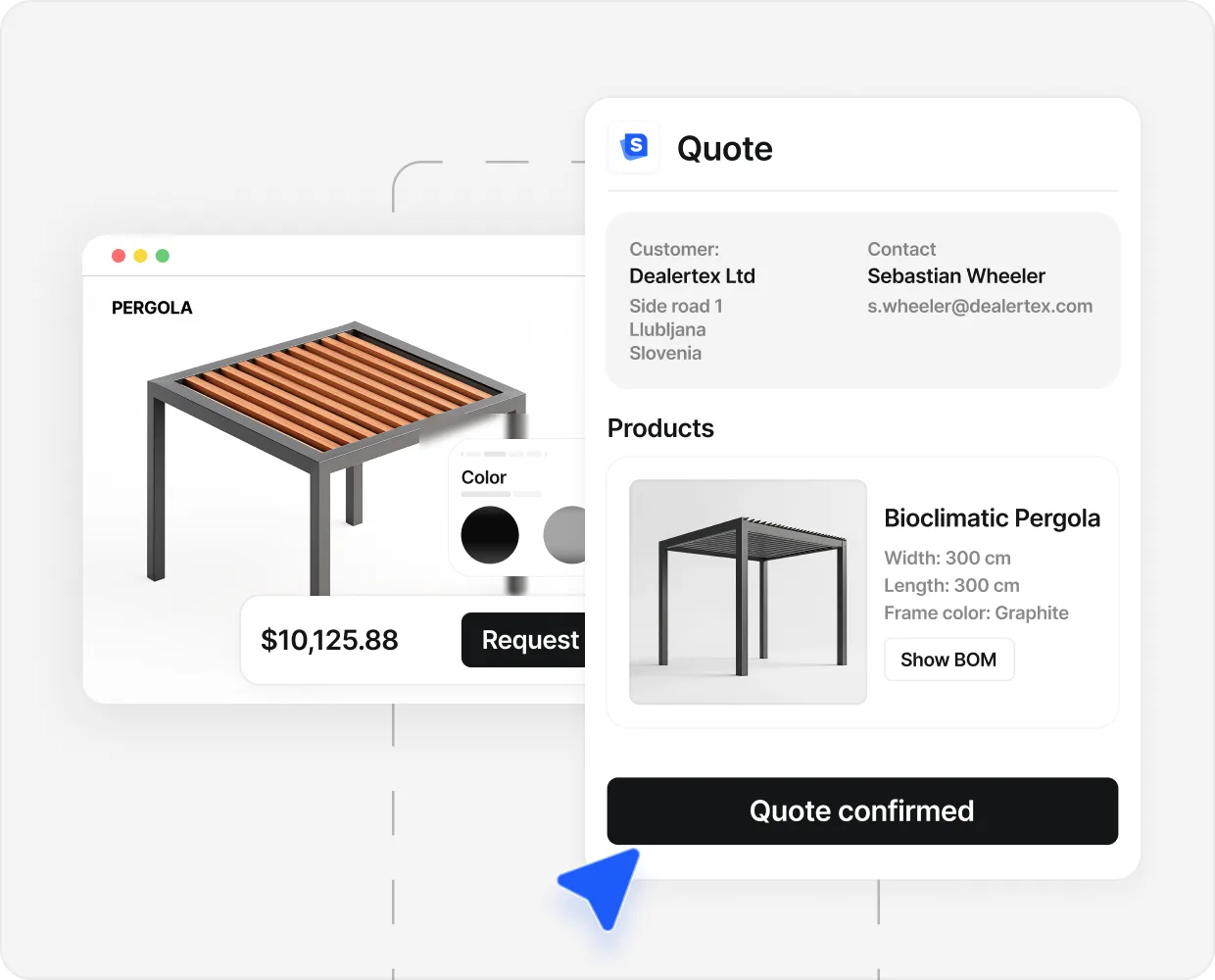
The quote goes out in minutes, not days. The old way is a contact form, a phone call, and a quote built by hand. By the time it lands, a faster seller has already replied. A configurator prices the build the moment the buyer hits submit.
Orders get bigger and come back less. Buyers add more when they can see each upgrade, and they return less because they saw the real size before they paid.
What buyers can design#
Outdoor living is full of products that are big, modular, and personal. Those fit a configurator best.
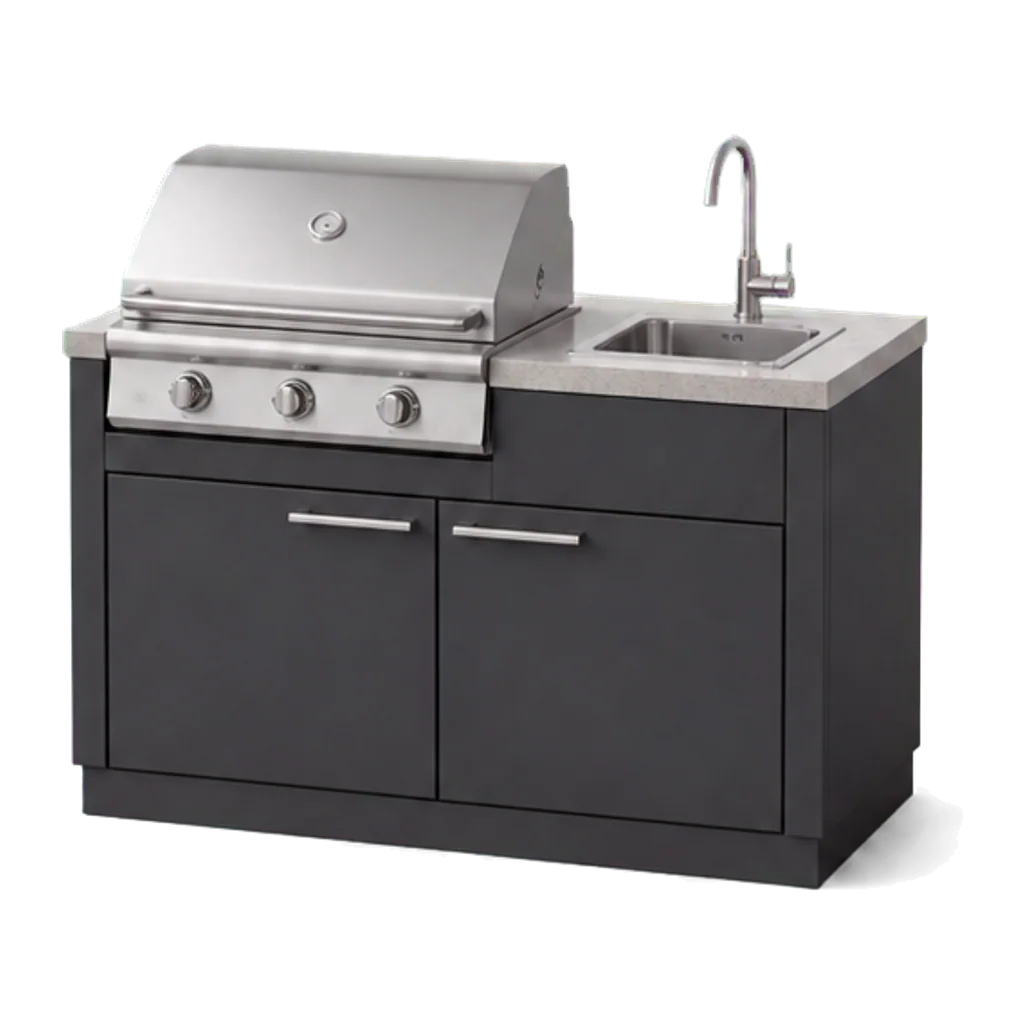
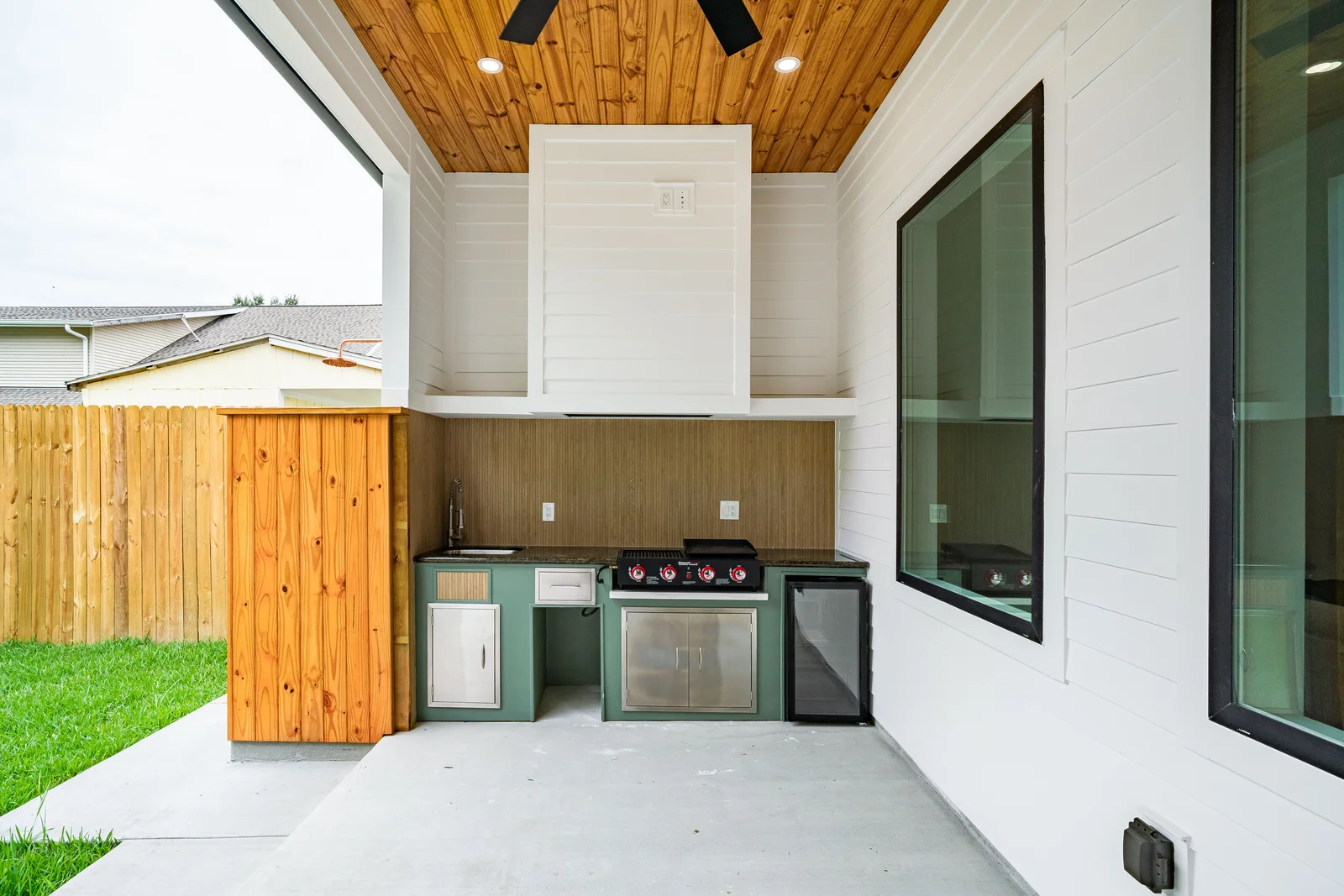
Outdoor kitchens. The buyer picks the island layout, swaps the worktop, and adds the grill, sink, and fridge, with the price updating each time. They see a finished kitchen, not a parts list.
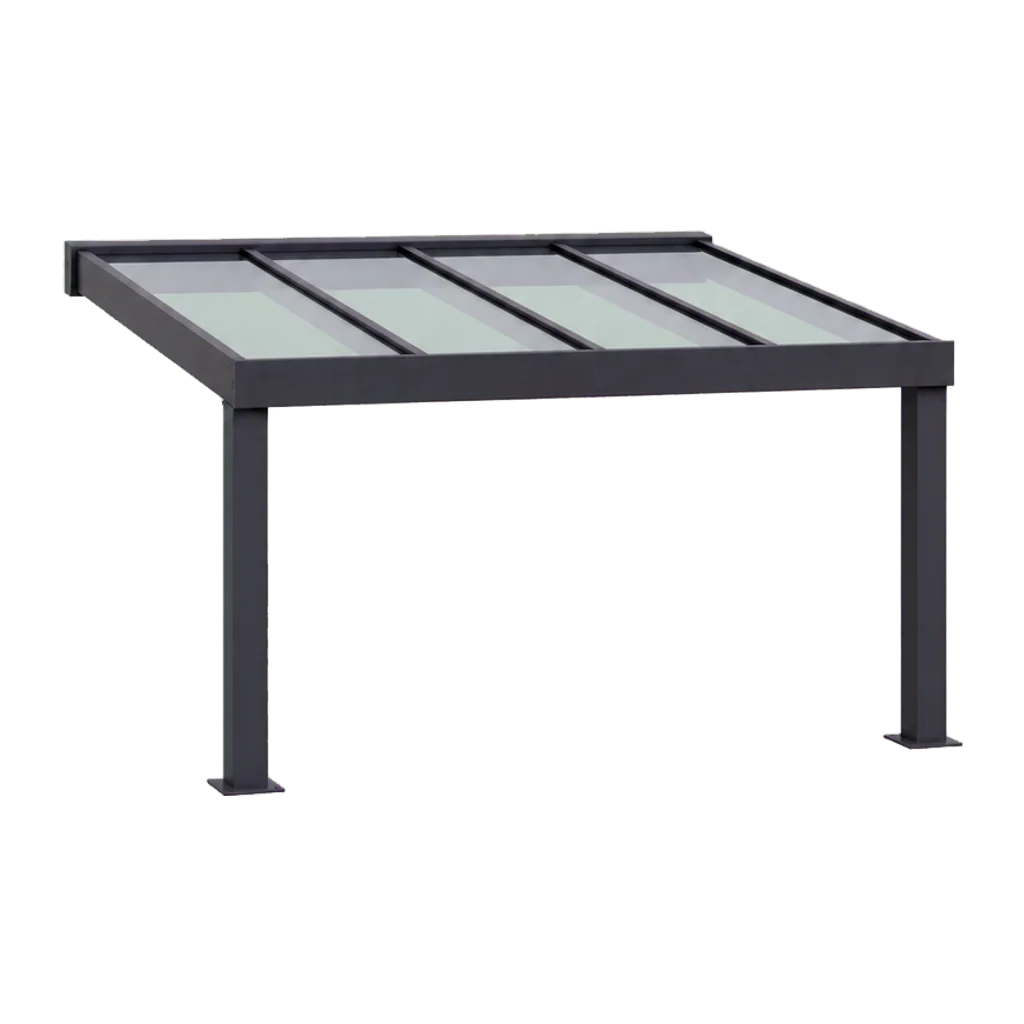
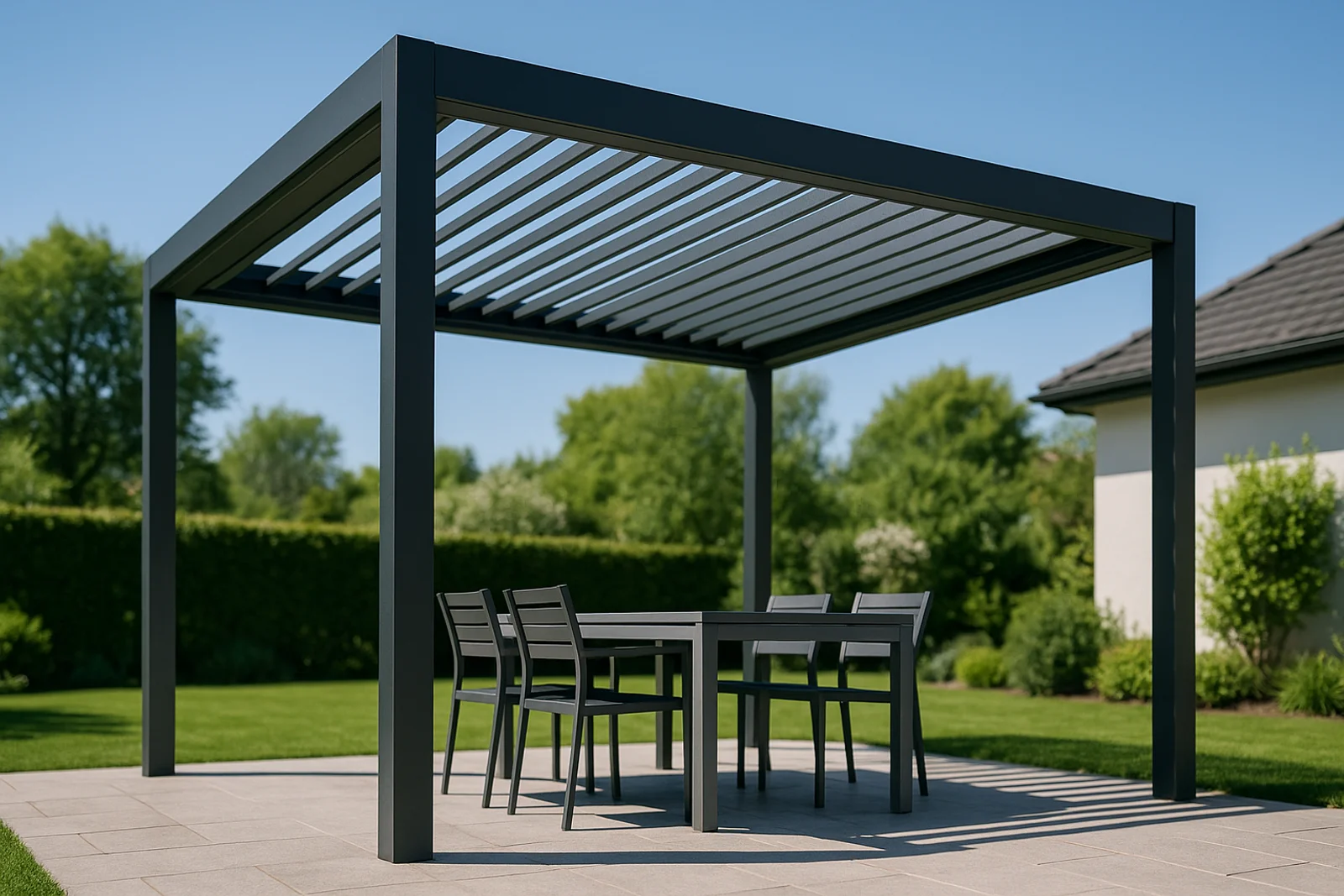
Pergolas. This is the heartland. The buyer sets the width and depth, chooses a louvered or fabric roof, picks the colour, and adds lighting and screens, with the model rebuilding the right posts and roof for the size. A deeper walk through this sits in the pergola configurator guide.
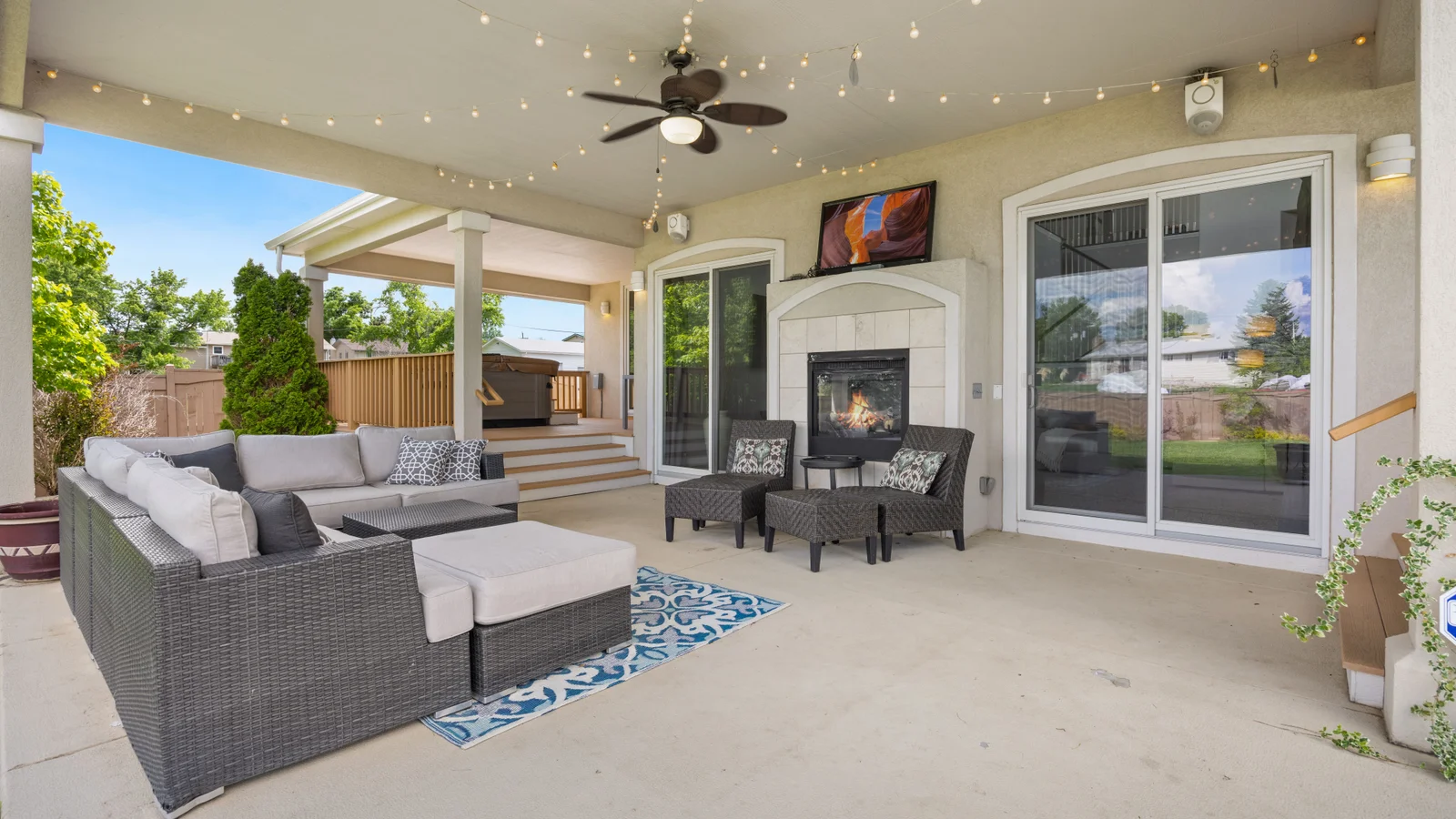
Patio furniture. Here the work is look and feel. The buyer rotates the sofa set and tries each fabric and frame colour against their own taste. People pay more for a set they have made their own.
The thread across all three is the same: the buyer makes a real decision, sees the result, and gets a number. Whether they need 2D, 3D, or AR depends on the product, and the trade-offs are laid out in 2D vs 3D product configurators.
A visual configurator vs the old way#
The contrast is not subtle. Same buyer, same inquiry, two very different paths.
Visual configurator vs the old way
Visual configurator
The buyer builds the product in 3D, picks the finish, and sees a real price. A branded PDF lands in their inbox and the spec drops straight into your system.
- Interactive 3D the buyer drives
- A real price on the spot
- Branded quote sent in minutes
- Fewer returns, because buyers see true scale first
The old way
The buyer sees flat photos and a form. They call, describe what they want, and wait days for a hand-built quote while a faster seller closes the deal.
- Static images and verbal descriptions
- A quote built by hand, days later
- Back-and-forth to pin the spec
- More returns from mismatched expectations
How to know it is working#
A configurator is not a poster. It is a measuring instrument. Watch five numbers and you will know within a month whether it earns its place.
Conversion rate from visitor to inquiry should rise, because more people finish a build than fill a contact form. Average order value should rise, because upgrades are easy to see and add. Return rate should fall, because buyers saw the real size first. Then watch the two engagement numbers: time spent in the configurator and how many people finish a build. If buyers start but never finish, the flow is too long or the price is hidden, and that is a fixable problem.
The pattern holds as volume climbs. The clearest proof comes from sellers who replaced manual quoting outright.
How to start#
You do not need every feature on day one. You need the few that do the work. Walk any vendor through this list before you sign.
- 01
A live price on the demo, not a starting from line
Ask the vendor to price a real build on the spot, with the upgrades a buyer would pick. If pricing is a later phase, you are buying a 3D viewer, not a configurator. This one is non-negotiable.
- 02
An interactive 3D model the buyer drives
Not a fixed render. A model that rebuilds when the buyer changes the size, the roof, or the colour, with no plugin and no download. Frame rate matters: a model that stutters makes a premium product feel cheap.
- 03
Augmented reality for true scale
The buyer should be able to place the product in their own space at real size through a phone. AR is what turns interest into confidence on a big outdoor purchase, and it is the single biggest lever on returns.
- 04
A branded PDF and a handoff into your system
The buyer gets a quote that looks like your brochure, and the spec lands in your CRM. Two days later a slower competitor sends a handwritten quote, and your buyer already has a designed document with your logo on it.
- 05
Mobile performance on real data
More than half of outdoor living traffic is on a phone. Open the demo on your own phone, on your own connection. If the 3D model takes 8 seconds to load, the buyer is back in their feed before it resolves.
- 06
Speed to launch in days, not months
A premade configurator for a known product line goes live in 1 to 10 days. If a vendor quotes 3 to 6 months for a pergola or a carport, they are learning your category on your time.
The AI features that are starting to matter, from instant style suggestions to smart upsells, are covered in the top AI features for outdoor product configurators.
The shift is small to describe and large in effect. The buyer designs the product, sees the price, and gets a real quote while their partner is still making tea. Your inbox stops being a stack of callbacks and starts being a stack of priced builds you can act on before lunch.
That is what visual configurators change about outdoor living sales. If you want to see one running in your own category, the live pergola configurator is the place to start, and the wider configurator gallery covers verandas, garden rooms, carports, and awnings. To squeeze more margin out of every configured deal, high-margin outdoor living strategies picks up where this leaves off.
People also ask.
What is a visual configurator?
It is a tool on your website that lets a buyer build a product on screen: pick the size, layout, material, and colour, and watch a 3D model update as they go. At the end they get a real price and a quote, without calling anyone.
How does augmented reality help an outdoor configurator?
AR drops the finished product into the buyer's own space at real size through a phone camera. Seeing true scale removes the biggest doubt in a high-ticket buy, so people order with more confidence and send far fewer items back.
Do visual configurators work for high-ticket outdoor products?
They work best there. A pergola, an outdoor kitchen, or a glass veranda is a big, custom, once-in-a-decade purchase, and a configurator answers the what-does-it-look-like and what-does-it-cost questions that otherwise stall the sale for weeks.
How do I know the configurator is working?
Track conversion rate from visitor to inquiry, average order value, return rate, and how many people finish a build. If buyers start builds but never finish, the flow is too long or the pricing is hidden.
How long does it take to launch a visual configurator?
A premade configurator for a known product line can go live in 1 to 10 days, because the models, materials, and rules already exist. If a vendor quotes months for a standard product like a pergola, you are paying them to learn your category on your time.