
A pergola dealer in the West Midlands took a call last year from a buyer who’d spent three weekends looking at louvred pergolas online. The dealer answered on the second ring. The first question, after introductions, was: “What colour are you thinking?”
The buyer paused. She hadn’t thought about colour. She said “anthracite, I think?” The dealer asked about post type. She didn’t know what that was. She said she’d call back. She didn’t. Three weeks later she bought from a dealer who’d opened by asking what she wanted to use the space for.
We thought we were qualifying. We were really asking buyers to translate their dream into a spec sheet on the phone. The day we stopped opening on colour was the day our close rate doubled.
That call wasn’t a buyer education problem. The dealer asked for a finish before the buyer had committed to a build, and she froze because she was being asked to make the last decision first.
The 6 mistakes (in the order they show up on a call)#
Opening on colour or finish. “Anthracite or RAL 7016?” before the buyer has committed to a build. They pick at random or stall. Anthracite is a great answer at minute fourteen. It’s a conversation-ender at minute two.
Asking for dimensions the buyer cannot picture. “3 by 4 or 4 by 5?” The buyer hasn’t measured. They guess, then hedge, and the hedge becomes a wrong quote. Ask what the pergola is covering instead, a 6-seat table, a garden sofa, a hot tub, and let the size resolve from the use.
Listing every option instead of defaulting to the standard build. Nine decisions in eleven seconds and the buyer goes quiet. In most dealer transcripts, 80 to 90 percent of buyers pick a standard configuration on size and finish. Default to the standard. Customise the rest who want to.
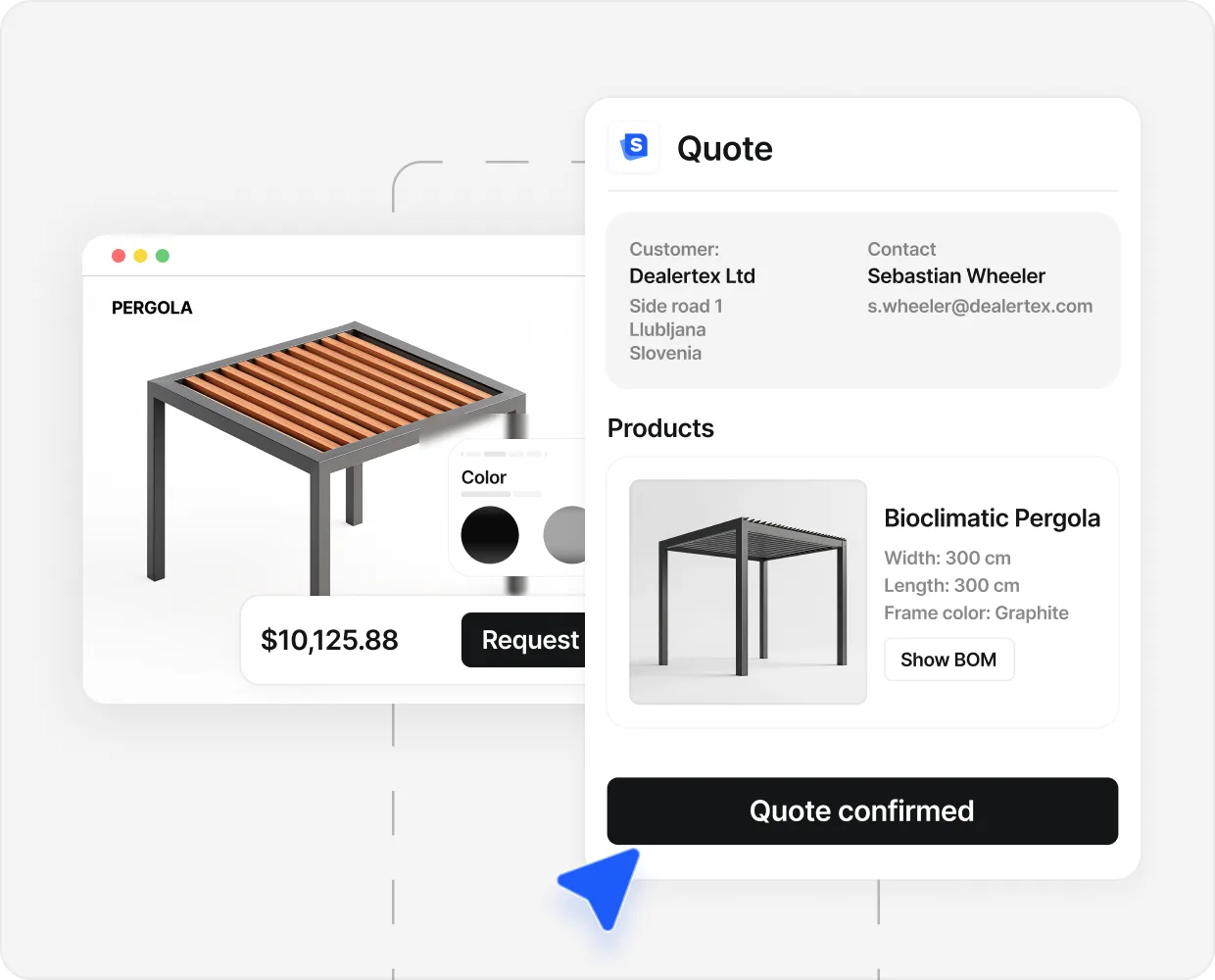
Quoting from a verbal spec. Notes on a pad, a typed quote two days later, and the buyer can’t remember which finish they picked on Tuesday. A typed quote with no visual is the cheapest way a dealer loses a sale.
Treating every inquiry like a bespoke project. “Let me come out and measure,” before the buyer has agreed they want a pergola at all. The visit eats two hours. Skip it until the buyer has signed off on a configured spec and the same deal takes a third of the time.
Waiting for the visit to send anything visual. The render and PDF arrive after the deposit instead of before it. Flip the order: the buyer sees the pergola rendered first, the quote sits underneath it.

Why these are dealer mistakes, not buyer mistakes#
Across 160 dealer rollouts, roughly 20 percent of dead calls are genuinely about an under-informed buyer. The other 80 percent die from a sequencing problem the dealer owned and didn’t see, because the same six habits work fine on the second call, once scope is settled. Most dealers learn to open on colour because the second call worked, and never see the first call that didn’t lead to one. The buyer just says “let me think about it” and disappears.
The buyers who closed almost always arrived with a visual reference point in hand: a Pinterest board, a friend’s pergola, or increasingly a 3D render they’d configured the night before. The ones who froze arrived with nothing on screen. A dealer can’t fix a Pinterest board. A dealer can fix the screen.
What a reordered first-call looks like#
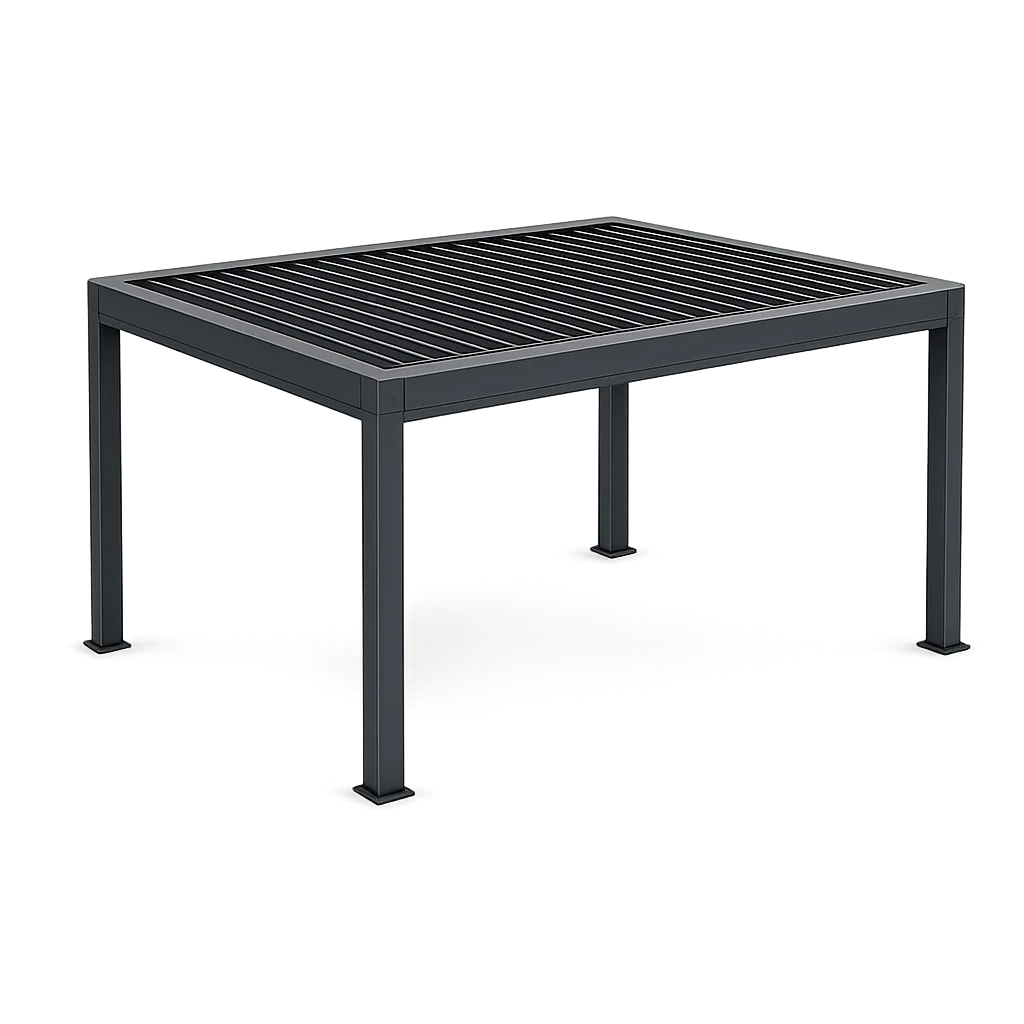
The reorder is the same call, question order inverted, one visual reference point sent ahead of it. The buyer configures a pergola on the dealer’s site the evening before, picks a use case, keeps the suggested 3 by 4 louvred build in anthracite, sees it rendered, gets a PDF with spec and price band, books a 20-minute slot.
The dealer opens at the configured spec: “I see you put together a 3 by 4 louvred build in anthracite over a 6-seat table last night, tell me what made you settle on the louvred roof.” By minute eight the dealer has scope and use case. By minute twelve, the colour question. By minute eighteen, the site visit is booked. The call closes in twenty-two minutes, not two, because the buyer never had to translate intent into a spec live on the phone.
- 508 leads in 90 days Caribbean Blinds (UK, pergolas) on a configurator-led first-call model.
- 40% arrive pre-configured Caribbean Blinds; share of inquiries landing already designed in 3D before the first call.
- 17% winter close rate Spa Solutions (Switzerland, pergolas); 14 deals and €214K of revenue across a winter quarter, double the prior-year rate.
- 30 pergola sales in 90 days Nordin (Lithuania); zero online presence at start, 574 leads through the configurator carrying the qualification work.
Named numbers from public case studies. The pattern is consistent: reorder the first call, close the buyer who would have ghosted.
The full stories sit in Caribbean Blinds, Spa Solutions, and Nordin. The mechanics of the buyer-side flow that produces the configured spec sit in what guided selling does.
What changes for the dealer#
The opening question changes: “walk me through what you put together last night” replaces “what size were you thinking.” The site visit moves later, becoming the close instead of the discovery call, so the calendar absorbs two visits a week instead of seven. And the deals that die, die earlier: buyers who were never going to spend drop out of the configurator at minute four, while the buyers who do book are already pre-qualified by the act of designing. Close rate drifts from the industry-typical 5-8 percent up toward the 15-20 percent the named dealers above are running.
The dealers who change the order don’t see a slow lift, the change shows up inside the first month. The Monday inbox stops being “interested, please call” and starts being configured PDFs. None of this is about the pergola. It’s about the order. The pergola visualiser vs configurator post covers the tool side.
People also ask.
What are the most common pergola buying mistakes from the dealer's side?
Opening on colour before scope, asking for dimensions the buyer cannot picture, listing every option instead of defaulting to the standard build, quoting from a verbal spec, treating every inquiry as bespoke, and waiting to send anything visual until after a site visit. None of these are buyer mistakes. They're the wrong order.
Why does the order of the first-call questions matter so much?
Buyers cannot commit to detail before they've committed to scope. Opening with 'what colour are you thinking' asks the buyer to pick a finish for a pergola they haven't pictured yet. They freeze, the call dies. Open with 'where will this sit and what is it for' instead and the same buyer has a frame to answer from.
Is the buyer or the dealer responsible for these mistakes?
The dealer. Buyers aren't under-informed, they're over-asked. By the time someone books a call, they know what they want to do with their garden. They don't know post spans. A dealer who opens by asking for that is asking the buyer to translate intent into a spec live on the phone.
How does a configurator change the first-call structure?
It moves the visual reference point ahead of the call. The buyer configures the pergola at home, arrives with a spec in hand, and the dealer opens with 'walk me through how you got here' instead of 'what size were you thinking'. The call starts at the deal-closing step, not the spec-gathering one.
What is the single biggest mistake dealers make on a first pergola call?
Quoting from a verbal spec. Notes on a pad, a typed quote two days later, and the buyer can't remember which finish they picked or picture the pergola. The fix is a designed PDF tied to a configured render, not a typed quote tied to call notes.